

Looking Back To Move Forward
The Answer To Photographic Growth & Connection

Happy New Year everyone! I hope 2026 is off to a good start for you… I know, we’re only on day 2.
In this article I wanted to elaborate on a topic I discussed in my most recent YouTube video:
The Common Problem
As photographers, regardless of whether you’re a hobbyist or a seasoned professional, it’s probably fair to say that we think about photography more than we actually physically pursue it. We’re all restricted by work, family commitments and that puts a limit on our opportunities to go out and shoot.
To combat this and stay engaged with the hobby we all probably consume YouTube videos, read photobooks, scroll social media for inspiration - we even probably spot photos all the time as we’re driving around, running errands, wishing we had our camera with us.
It’s very easy to feel that time-scarcity in our lives, and our hobbies are often the things that fall to the wayside when life gets busy. When that window to pursue our hobbies is so small it can result in us looking ahead far more than looking back.
I get it, when time is limited we want to maximise our opportunities to shoot - we’ve all been there, sat at our desks, thinking about the weekend and where we can go to get the best photo possible to tie us over, and give us a big enough dopamine hit to sustain us until the next time we can venture out again.
However, if we’re constantly thinking about the next location, the next photo, we’re neglecting all the photos that have come before. Sure, we probably edit those photos, maybe we even share a few of them on social media, but after that, many of those photos get lost to the archives as we move on to pastures-new.
Looking Back Teaches Us So Much
A few years ago, I made a point at the end of the year to take the time to look back at all the photos I shot that year. As I mentioned, when life is busy, it’s so easy to prioritise the things that we deem most important, and many of us would prioritise actually going out take photos over staying home and sifting through old images.
But these old photos can teach us so much about our photography and they can offer us so much inspiration, focus and direction.
I chose to do this at the end of the year because it’s normally a little quieter, especially between Christmas and New Year when we’re on holiday or when we’re already reflecting on the previous year and making plans for the year ahead - It’s a great opportunity to do this for your photography too.
Spot The Trends
By looking back at our photos from the previous year we’re able to start spotting trends and we gain a better understanding of our taste and what we care about. If you use Lightroom this is really easy to do as you can filter your library using metadata and you can organise your photos into collections etc.
You might discover that there’s a particular focal length you shoot with most often, you might discover that there’s a particular lens that you use more than any others, you might discover locations and subjects that keep cropping up time and time again.
All of this can provide valuable insights into what you’re drawn to and what you care about.
Why is this important? Well, because doubling-down on those locations, subjects, even focal lengths can lead to a greater sense of focus and direction for your photography for the year ahead.
What’s Missing?
Whilst this exercise is great for showing us what we’re already doing, it’s also great for showing us what we’re not doing.
Taking this macro view at our work might identify anomalies. For example, it might show us a few photos shot with a lens that we rarely ever use - for me, my 50mm prime is that lens. I just don’t see the world at 50mm and that focal length is covered by my 20-60mm zoom lens which I use 90% of the time.
If there’s a lens that’s not getting used much, this exercise could be the catalyst to sell it and replace with something else that might inspire you more.
Alternatively, you might uncover a few photos shot at a focal length you don’t typically gravitate to and you might absolutely love those photos. That inspire us to try that focal length more often and that could unlock some creativity and a fresh perspective.
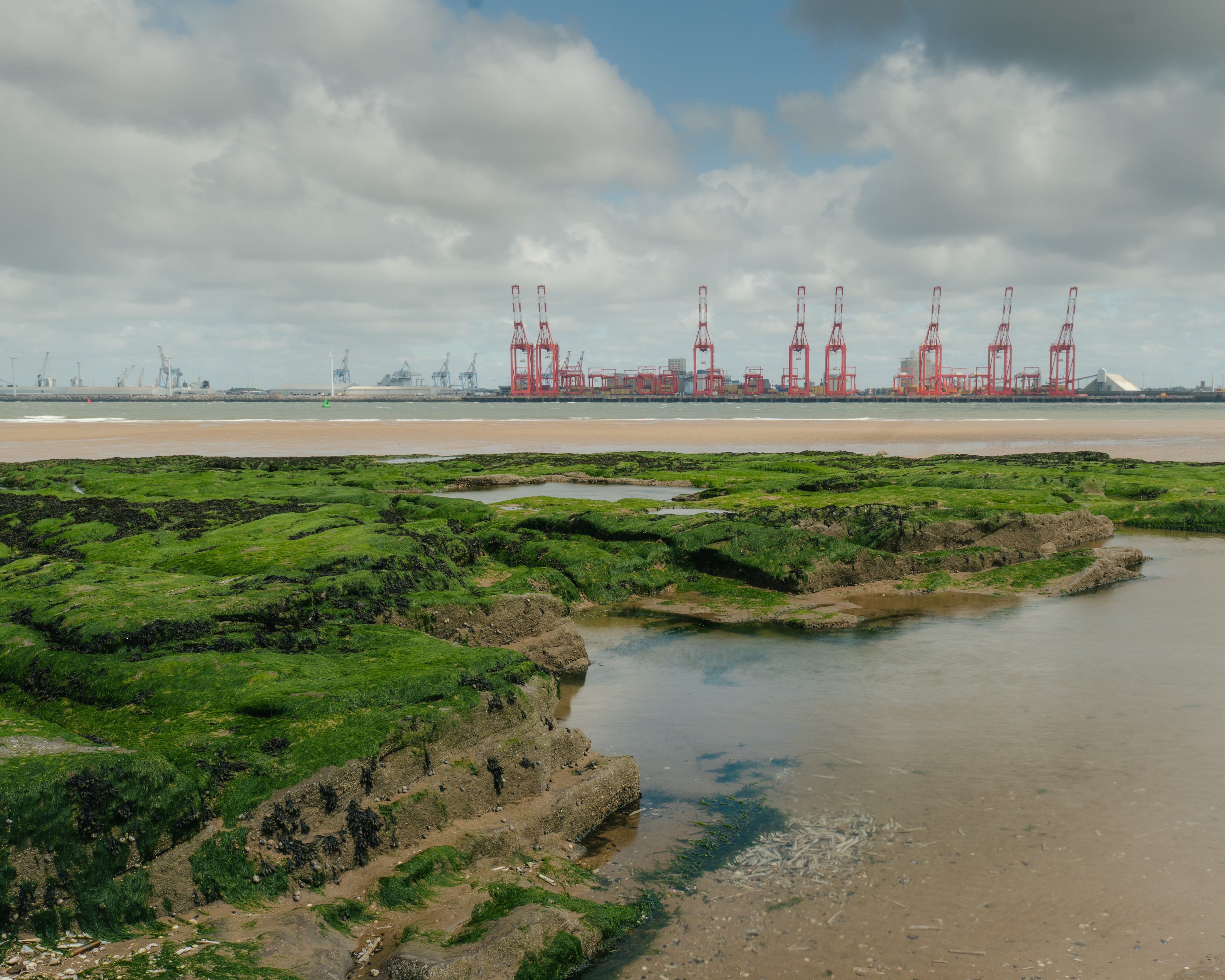
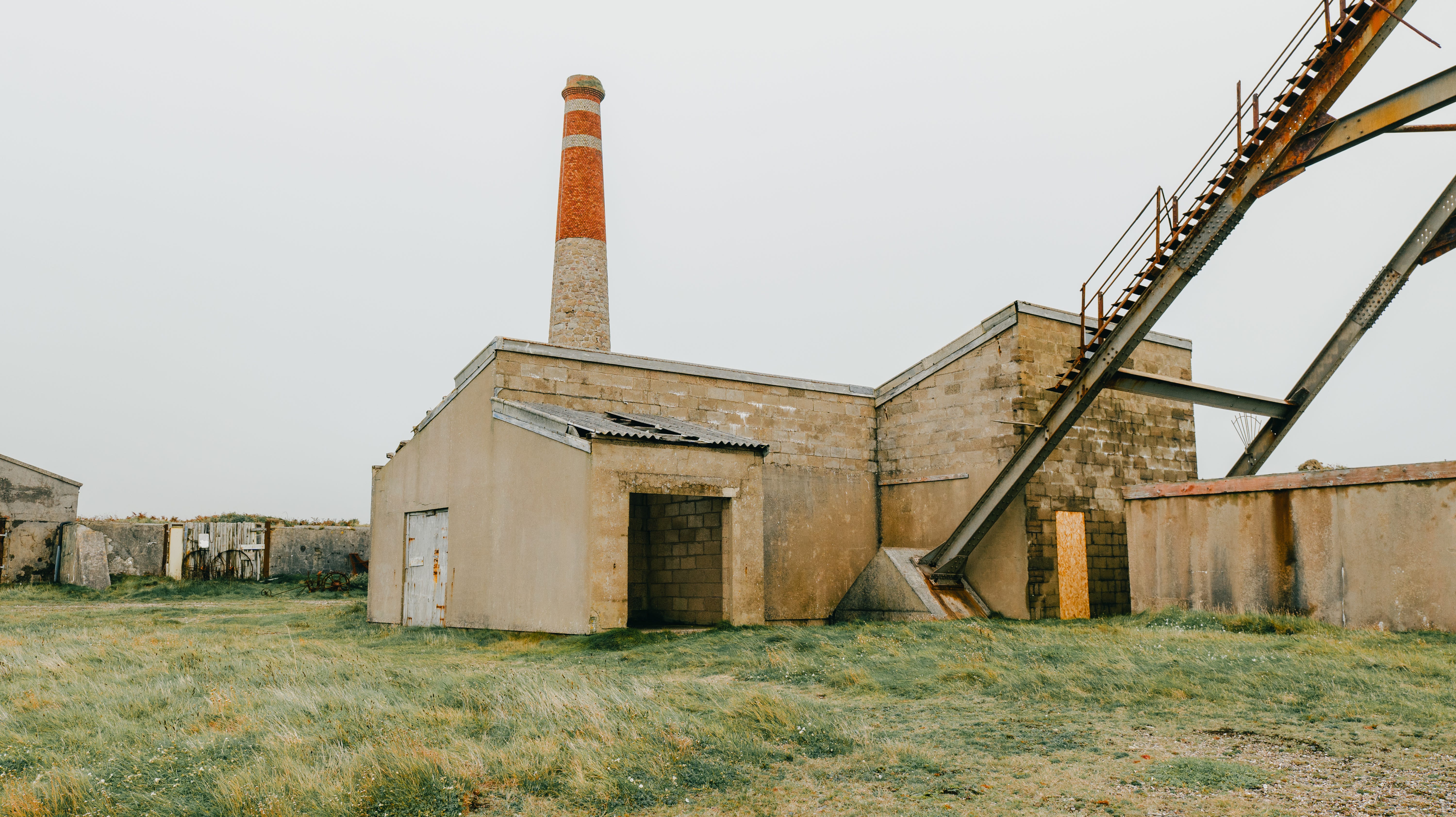
I know that i’m drawn to wider focal lengths but this exercise exposed a focal length that I rarely think about - 28mm.
I filtered my Library by that focal length and so many of the photos shot at that focal length really speak to me, they feel natural to me, it feels like a representation of how I see the world.
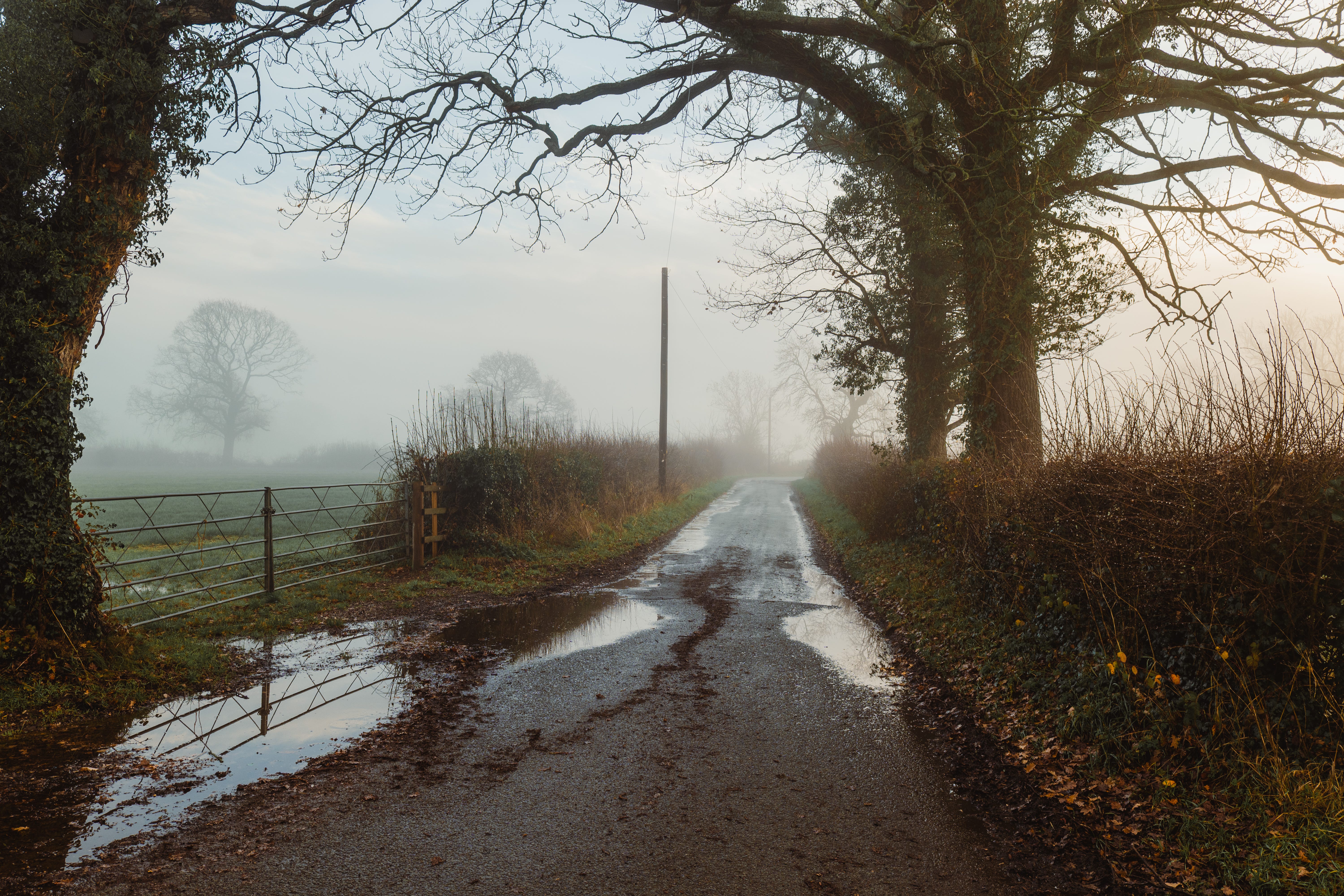
I love being able to pick out a subject whilst also showing the context of the wider environment in my photos - upon reflection, all of my favourite photos have that quality and if I hadn’t done this exercise I wouldn’t necessarily have made the connection between my preferred field of view and a resulting focal length.
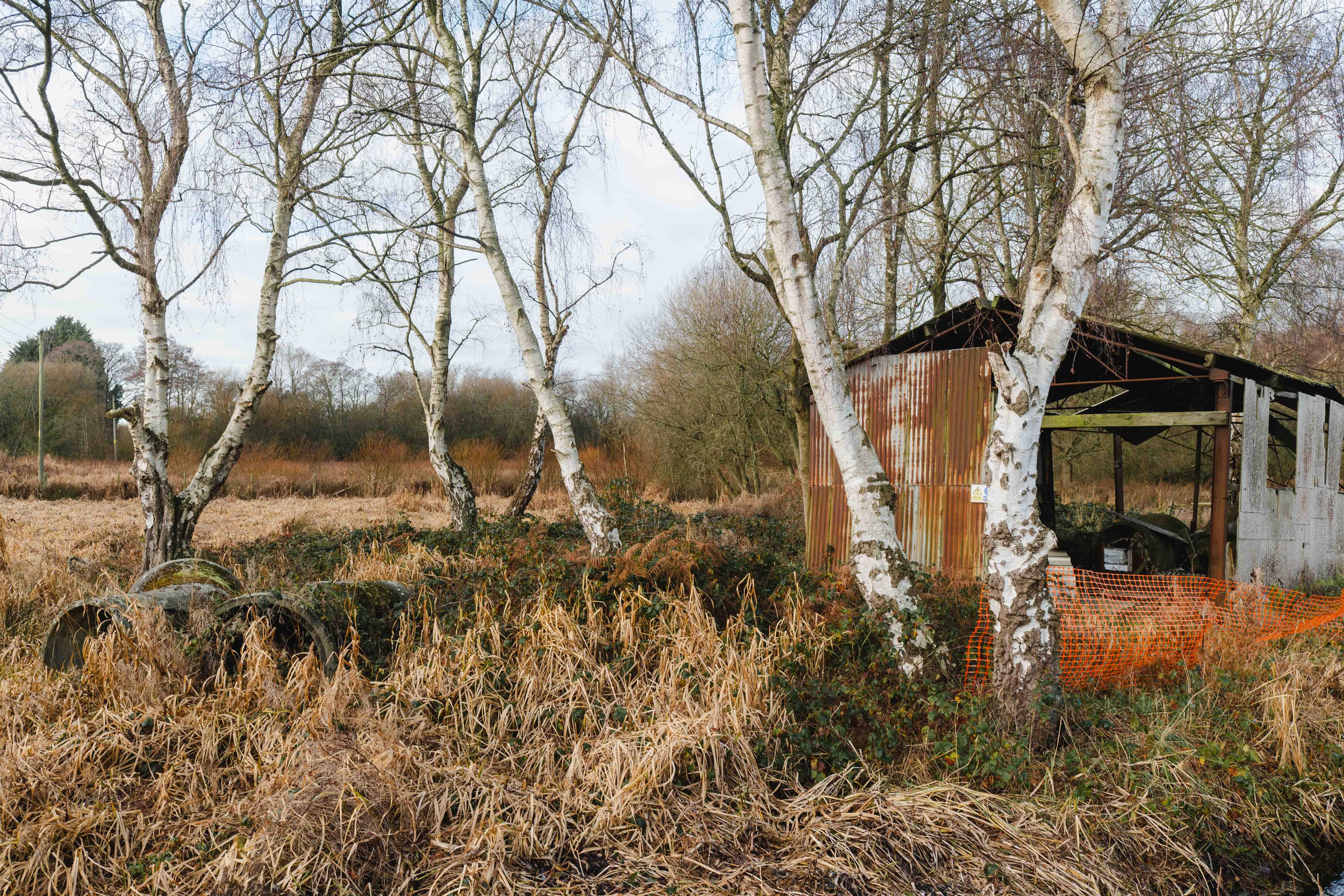
Now, moving forward, i’m excited to lean into this focal length more often. I’m considering moving on that 50mm prime and re-investing that money into a 28mm prime.
Projects & Long-Term Work
Many photographers get to a point in their photographic journey where they want to start exploring projects and more long-term work. It’s somewhat of a natural progression, especially when our ambitions grow in line with our experience as photographers. Perhaps one of your goals is to make a photo book, or maybe even a zine.
Photo projects hinge on subjects that we feel connected to. The beauty of photo projects is that they can be about literally anything, and whilst that’s incredibly liberating, it can make it difficult to know what to choose as your project.
That’s where this exercise of looking back can help us. It can help us spot those trends we mentioned. Perhaps there’s a location you keep returning to, or perhaps there’s a particular subject you’re drawn to - that could be your next project. It can prompt you to explore these locations and subjects more deeply, and it acts as a reminder to at least go back and revisit some of these themes because you never know what might come of it.
My current project was born this way. For the last year i’ve been photographing the agricultural landscape around where I live in North Wales. My grandfather was a farmer in this area and the landscape around where I live is dotted with farms and not much else.
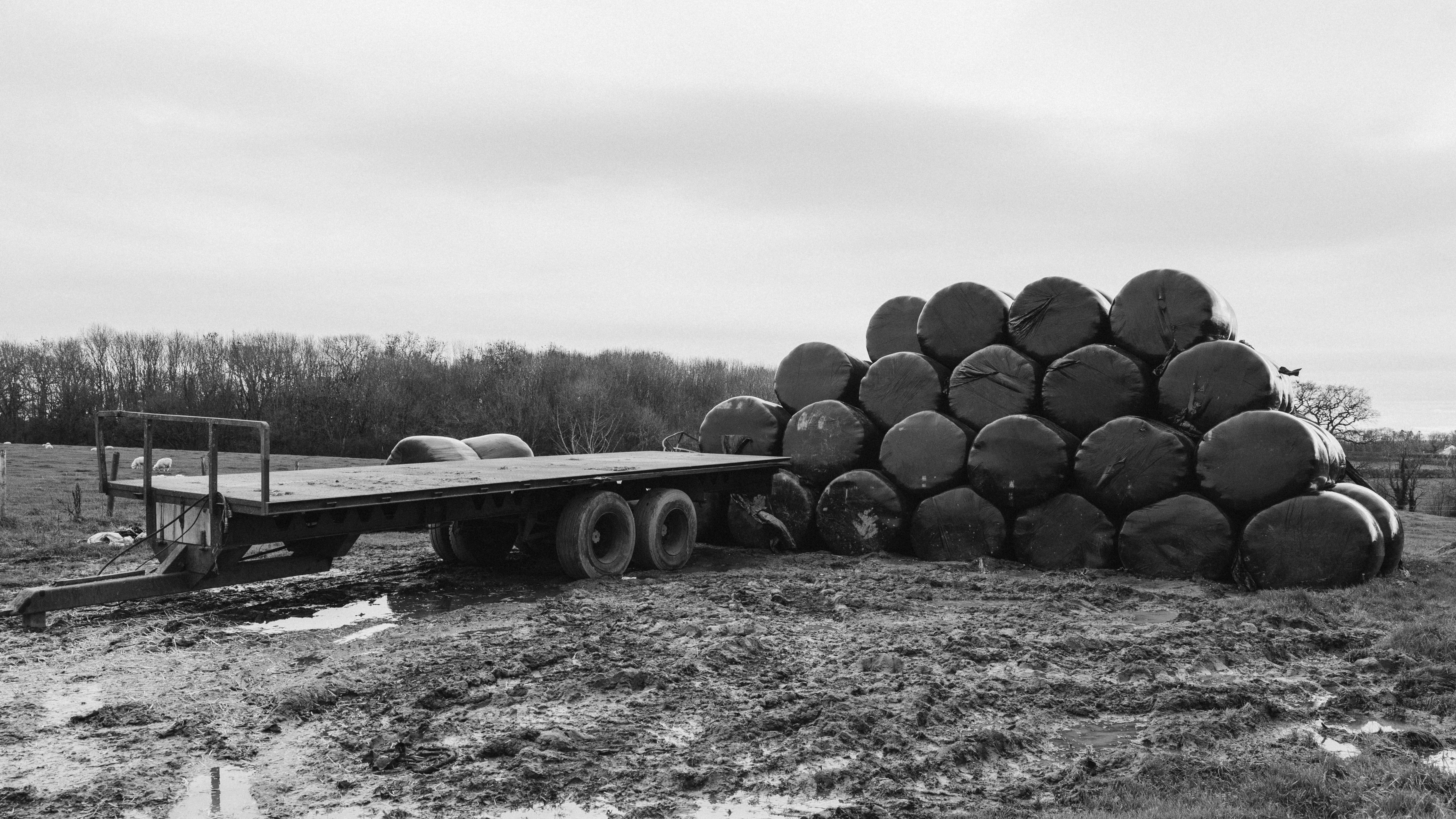
As time has gone on, I noticed I was drawn more and more to this subject matter and it’s a very accessible subject for me. Now, if i’m ever at a loose end with my photography, if I’ve got some free time but no real plan for what to do with it, i’ll often just work on this project and shoot with this theme in mind.
It comes back to that idea of focus and direction. I think once we have that, photography becomes easier and it leads to photos we feel really connected to and that’s an incredibly enjoyable way to engage with photography.
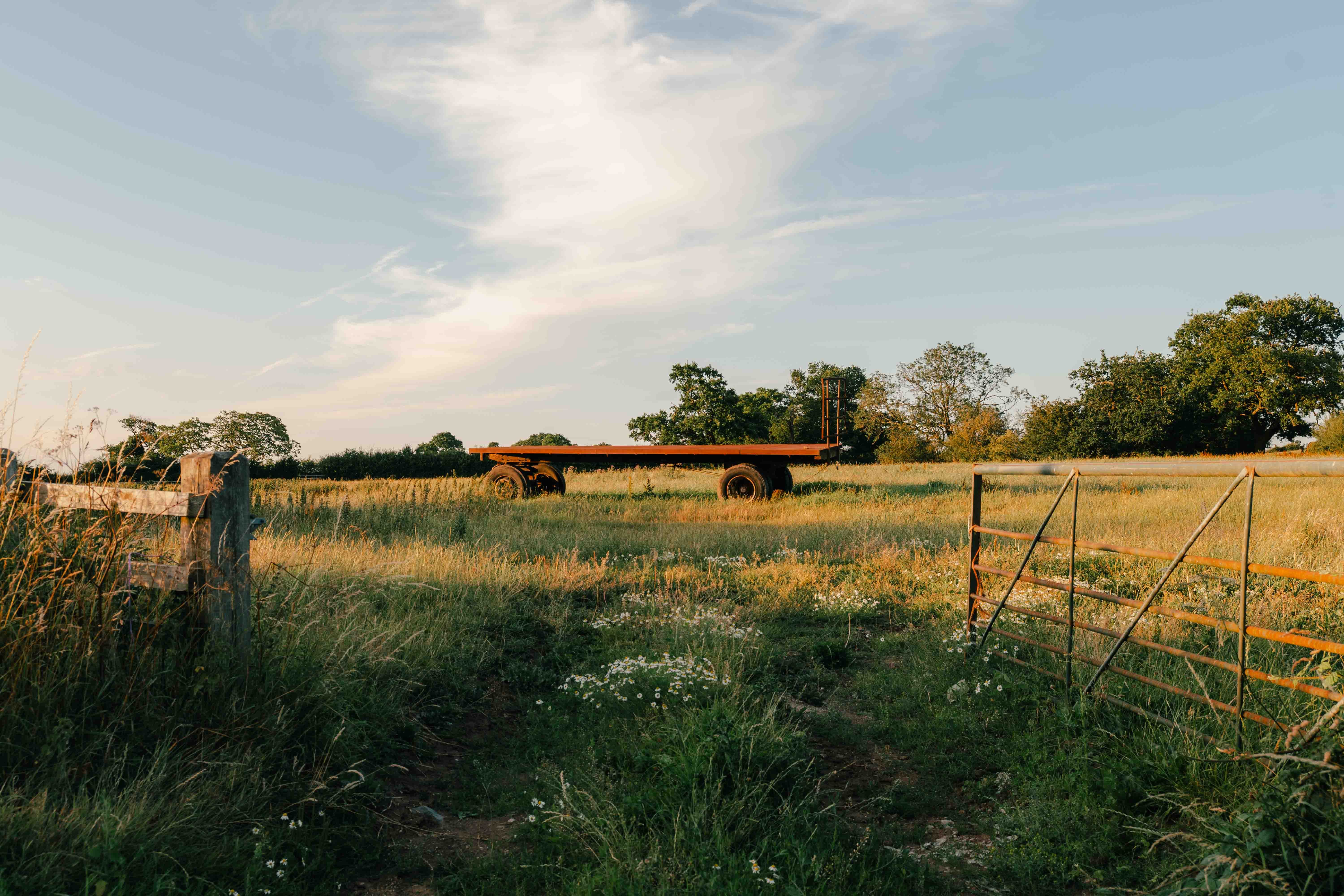
Whilst new locations and experiencing new perspectives is important, there’s often so much more to be gained from locations that we’ve already visited. It’s all about building that understanding, not only of the location and how to photograph it, but it also helps us understand whether that connection exists for us in that location.
If something clicks, it’s important to not lose sight of that - don’t neglect that feeling in the pursuit of something new.
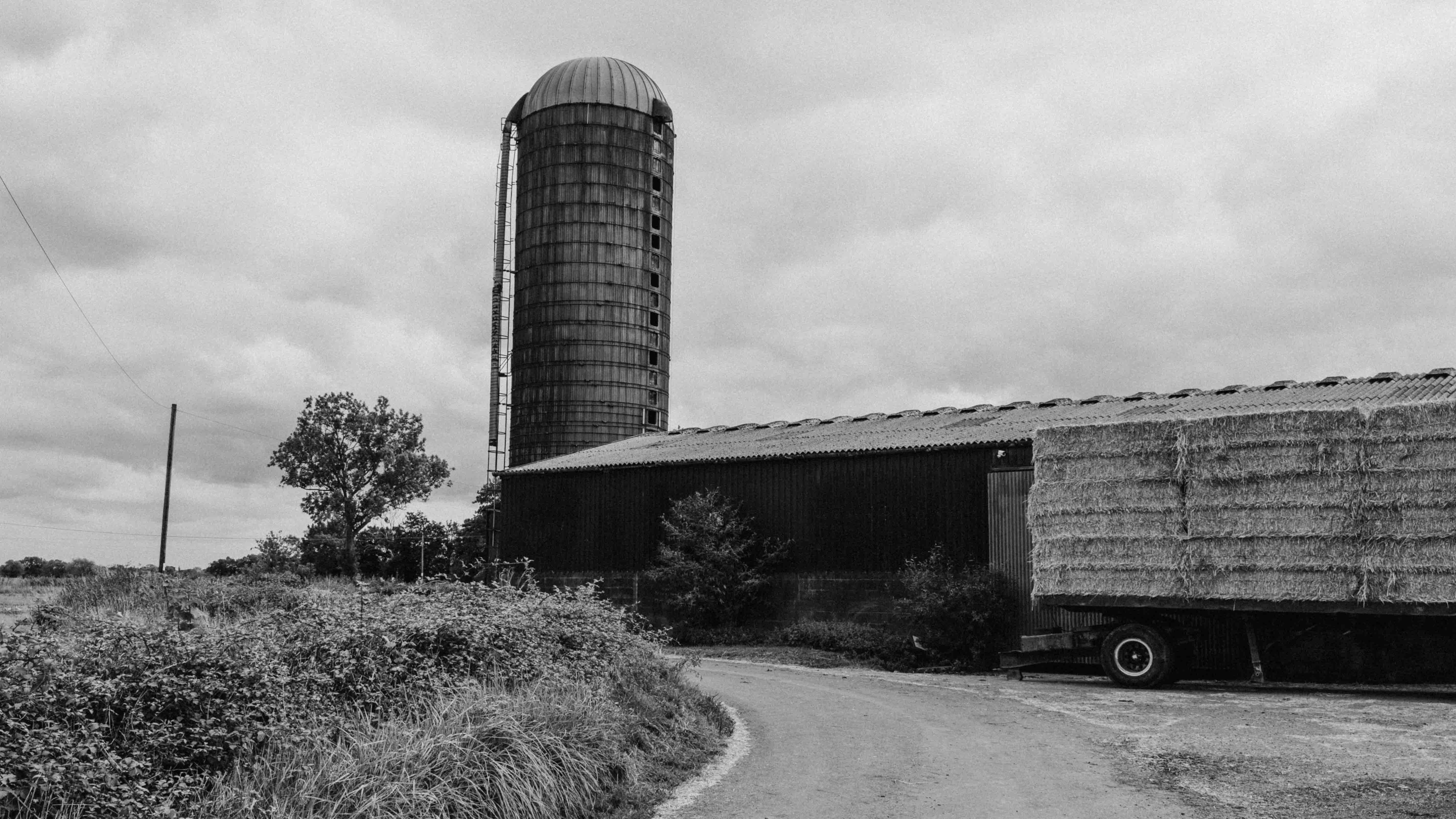
I think as photographers, it’s easy to believe that good photos can only happen when we travel, when we experience new places, far-flung places, exotic places. I don’t prescribe to this belief - it’s just the social media effect. For me, many of my most meaningful photos have been captured close to home, in locations that nobody else will have ever heard of and because of that, being influenced by your own history as a photographer and what you care about is so important.